City of Bryan, Texas
☰
City of Bryan, Texas


Get the latest news and events information from the City of Bryan delivered straight to your inbox.
Are you new to Bryan? Check out our New Resident Guide.



Know Your Government

Info You Want … Fast
We want to make it as easy as possible for our residents to find information. So we’ve assembled a list of popular topics that we hope will help you quickly find what you’re looking for.

Report Issues with City Services
The City of Bryan offers residents a way to report a variety of issues online. Everything from sinkholes and sidewalks to fire hazards and garbage issues — you can let us know about it here.

Meetings, Agendas, Archives
Stay informed about what your elected and appointed officials are discussing. Find agendas for all upcoming public meetings, and view the archives of past meetings.

Get a Permit
Do you know what permits you need for your building project? Or to drive a taxicab? Or to hold a special event? It can seem a little daunting, but we can help you navigate the paperwork.

GIS Maps
Maps are awesome! And our Geographic Information Services (GIS) maps can show you just about anything you can imagine about the City of Bryan. Take a look and see what interesting info you can find.


 Follow Us
The Calendar
Latest News
-

Bryan City Cemetery Work Day and Quarterly Cleanups
Looking to make a difference in your community? Join us for the 29th annual Bryan City Cemetery Work Day on Saturday, May 11, from 10 a.m. – 2 p.m. In addition to the annual event, quarterly cleanups are scheduled for Bryan City Cemetery and Oakwood Cemetery.

Tiffany Thomas appointed presiding judge of Bryan Municipal Court of Record
The Bryan City Council voted unanimously to appoint Tiffany Thomas as presiding judge of Bryan Municipal Court of Record. She will be sworn in on May 1.
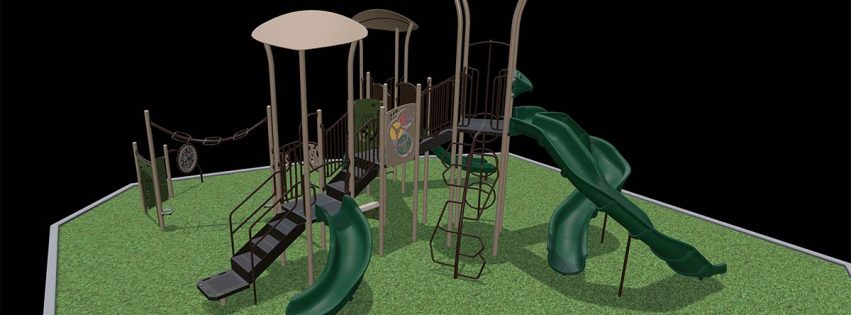
Bonham and Tanglewood Parks to Receive New Play Equipment
Bonham and Tanglewood parks are set to receive new play equipment following the unanimous approval by Bryan City Council on April 9.

Dust off your boots for the Big Barn Dance Music Festival
Michael Hearne’s Big Barn Dance is coming to town for the first time May 3-4 at Travis Bryan Midtown Park and May 5 in Historic Downtown Bryan.
-

Join Us April 13 for the Downtown Bryan Street and Art Fair
Experience Destination Bryan’s Downtown Bryan Street and Art Fair on Saturday, April 13, from 10 a.m. – 6 p.m., during Texas A&M’s Family Weekend, featuring live music, family-friendly activities, hands-on art demonstrations, shopping, education, and more.

Household Hazardous Waste and Computer Collection Event Set for April 20
Brazos County residents are invited to participate in the Twin Oaks Landfill’s Household Hazardous Waste and Computer Collection event on Saturday, April 20, from 7 a.m. – 2 p.m. at the Texas A&M University Services Building.

Embrace Learning to Swim as an Essential Life Skill
Bryan Parks and Recreation is devoted to teaching people to swim correctly, safely, and confidently. We have swim lessons available for ages six months to adults.

Solar Eclipse Viewing Parties Await
Residents and visitors are welcome to join us on April 8 at one of these free eclipse viewing parties. No matter where you observe the eclipse, remember to prioritize safety by using certified solar viewing glasses.
-

City of Bryan remembers former Bryan Mayor Mark Conlee
The City of Bryan is saddened to report the passing of former Bryan Mayor Mark Conlee. Mr. Conlee passed last night after a lengthy illness.

City of Bryan Open House: Your Keys to the City!
Join us at Legends Event Center on Thursday, April 4, from 11 a.m. – 1 p.m., for an opportunity to explore all that the City of Bryan has to offer.

City Offices Closed for Good Friday Holiday
Bryan City Hall will be closed closed on Friday, March 29 in observance of Good Friday and will resume normal operating hours on Monday, April 1. Here’s a list of city facilities and services, and their closure schedules over the Easter weekend.

Flood early warning system in Bryan will save lives and property
Several roadways in Bryan are now safer for motorists during heavy rainfall with the flood early warning system installment, thanks to a grant received from the state Flood Infrastructure Fund (FIF).
-

Residents Invited to Comment on Community Needs
The City of Bryan’s Community Development Advisory Committee will host two public hearings during its regular meeting on Thursday, March 21, at 6 p.m. in the Council Chambers of Bryan City Hall.
Statement About the Park Hudson Disc Golf Course
The City of Bryan is seeing and receiving misinformation about the Park Hudson Disc Golf Course and would like to provide some clarity.
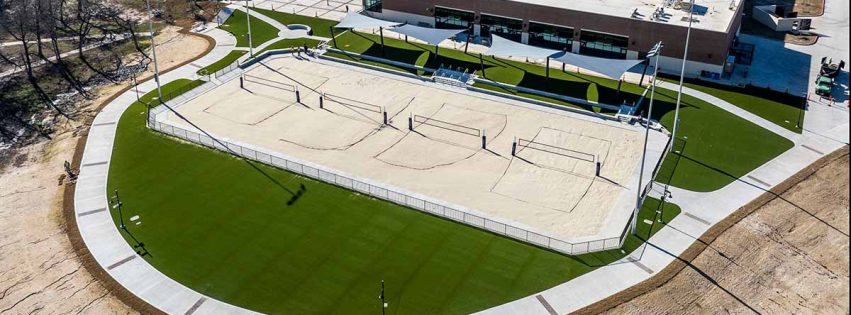
Celebrate the Grand Opening of Legends Event Center’s Sand Volleyball Courts
Join us for the grand opening of the sand volleyball courts at Legends Event Center on Saturday, March 9, from 10 a.m. – 1 p.m. The new outdoor amenity to Travis Bryan Midtown Park includes four NCAA-approved, lighted courts and a terraced viewing area with synthetic turf and sail shade structures.
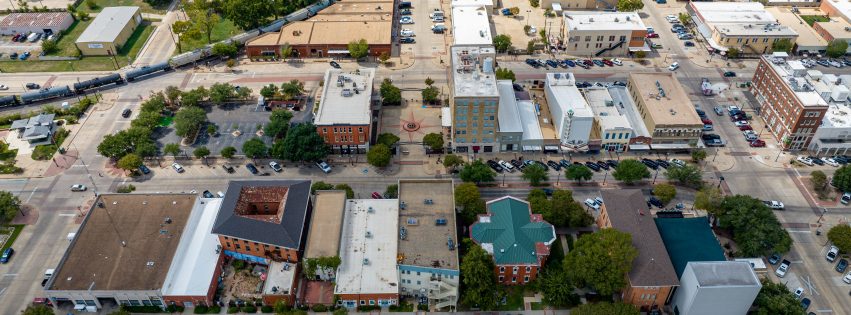
City of Bryan's New Downtown Parking Committee Announced
The City of Bryan’s new ad hoc Downtown Parking Committee’s mission is to gather information, research, and best practices locally and from other urban areas, and provide recommendations to meet the future goals of Historic Downtown Bryan and address the evolving needs of its residents, businesses, and visitors.
-
Statement by Bryan Mayor Bobby Gutierrez Regarding Parking in Downtown Bryan
For more than 25 years now, Bryan citizens and City Councils have made sustained long-term investments in infrastructure and economic development activities to revitalize our historic downtown from an empty and run-down blight to the flourishing cultural district that we all enjoy today. This exciting growth and success has resulted in dozens of new retail […]

U.S. Paralympics Cycling partners with Texas A&M to host Road Cycling Open in Bryan
The two-day competition, running April 6-7, 2024, at the Texas A&M RELLIS campus will serve as the selection event for the nation’s top Para-cyclists to qualify for the European leg of the 2024 UCI Para-Cycling World Cup season, which is one of the most important factors for qualification for the Paralympic Games Paris 2024 this summer.